

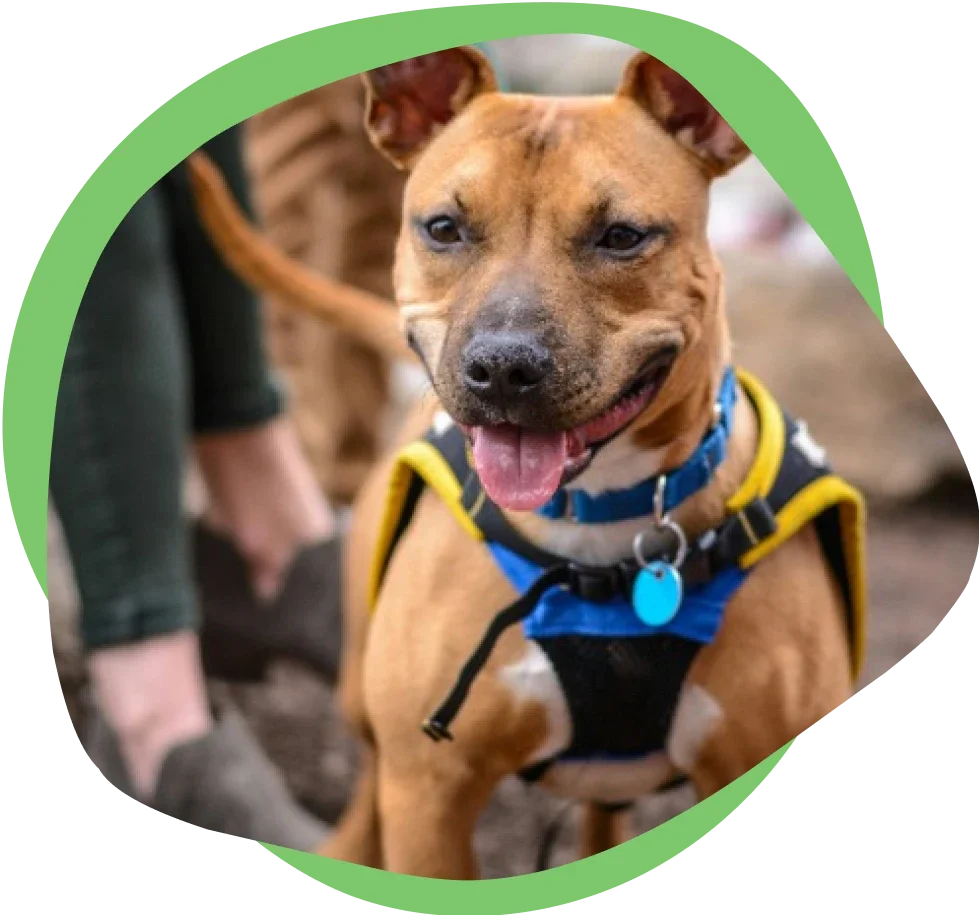
Managing dog reactivity requires a combination of understanding, patience, and consistent training. Reactivity in dogs often stems from anxiety, fear, frustration, or overstimulation, and can lead to behaviors such as barking, growling, lunging, or even snapping.
Here’s a step-by-step approach to managing your dog’s reactivity and helping them respond more calmly to triggers.
1. Identify and Understand the Triggers
The first step in managing reactivity is to identify what sets off your dog’s reactivity. Common triggers include:
- Other dogs or animals
- People (especially strangers)
- Loud noises (e.g., sirens, vehicles)
- Specific environments (e.g., crowded places, parks)
How to manage: Observe your dog closely during walks or in different environments. Note when they react and what causes it. Understanding the triggers will allow you to create a more tailored plan for managing their behavior.
2. Increase Distance from the Trigger
A key element of managing reactivity is to keep your dog at a distance from the trigger where they feel safe and are not yet reactive. This is particularly important in the early stages of training.
How to manage: If you know your dog reacts to other dogs, keep a safe distance between them and the other dog. As you observe your dog’s body language, gauge when they start to show signs of stress (e.g., staring, stiffening, barking), and increase the distance before they react. Gradually decrease this distance as your dog becomes more comfortable.
3. Use Positive Reinforcement for Calm Behavior
Rewarding your dog for calm, non-reactive behavior is essential in managing reactivity. Positive reinforcement encourages the dog to repeat the behavior that earns them rewards.
How to manage: When your dog sees the trigger but doesn’t react, immediately reward them with a treat or praise. The goal is for your dog to associate the trigger with something positive, teaching them that calm behavior results in good things. For example, if your dog is reactive toward people, when they see a person and remain calm, reward them with a treat.
4. Teach and Use Focus Commands
Teaching your dog to focus on you when they’re anxious or near a trigger can help redirect their attention away from the trigger. Commands like “Look at me,” “Watch,” or “Sit” can redirect your dog’s attention from the stimulus to you, helping them focus on a desired behavior instead of reacting.
How to manage: Practice focus commands in calm environments first. Once your dog reliably follows these commands, practice in more challenging situations (e.g., near other dogs or people). Reward them for paying attention to you instead of the trigger.
5. Practice Relaxation Techniques
Teaching your dog to relax during stressful situations can significantly help manage reactivity. Relaxation training helps your dog learn how to calm themselves when faced with triggers.
How to manage: Teach your dog a “place” command or a designated calm spot, such as a bed or mat. When a trigger occurs, direct your dog to their place and have them settle there. Reward them for staying calm and relaxed, even when a trigger is present. Over time, this teaches your dog to calm themselves in the presence of stressors.
6. Desensitize and Counter-Condition
Desensitization and counter-conditioning are two techniques that can help manage reactivity by changing your dog’s emotional response to triggers.
- Desensitization: Gradually expose your dog to their trigger at a low intensity, starting from a distance where they remain calm, and slowly work up to a closer proximity as they become more comfortable.
- Counter-conditioning: Pair the presence of the trigger with something positive (like a treat) to change your dog’s emotional association with the stimulus. For example, when your dog sees another dog and doesn’t react, reward them with a treat.
These methods help your dog learn to associate their triggers with positive experiences, reducing their reactivity over time.
7. Use a Proper Leash and Harness
Having control over your dog when they’re reacting is essential for both their safety and yours. A good harness and leash combination will help you manage your dog’s movements without causing discomfort or injury.
How to manage: Consider using a no-pull harness that provides more control and reduces pressure on your dog’s neck. Ensure that your leash is short enough to maintain control, but long enough to allow your dog some freedom to move. Avoid using a retractable leash, as it gives too much freedom and can contribute to frustration and more reactive behavior.
8. Set Realistic Expectations and Be Patient
Reactivity training takes time, and managing your dog’s behavior is a gradual process. Expect progress to be slow and steady, rather than instant, and celebrate small successes. Over time, your dog will begin to respond more calmly to triggers, but it’s important to understand that setbacks may happen, especially if the dog is under stress.
How to manage: Stay patient and consistent with your training. Set achievable goals (e.g., “Today we will work on walking past another dog without reacting.”) and focus on the positive improvements, no matter how small they may seem.
9. Stay Calm Yourself
Dogs are highly attuned to their owner’s emotions. If you’re anxious, frustrated, or stressed, your dog may pick up on these feelings and become more reactive. Staying calm during reactivity episodes will help your dog feel more secure and less likely to escalate their behavior.
How to manage: If your dog begins to react, take a deep breath and stay calm. Use a calm voice and body language to reassure your dog. Avoid tugging on the leash or raising your voice, as this can exacerbate the situation.
10. Seek Professional Help if Needed
If you’ve tried various methods and your dog’s reactivity persists or worsens, it may be time to consult with a professional dog trainer. A trainer with experience in reactivity can assess your dog’s behavior, identify underlying issues, and provide a tailored training plan.
How to manage: Look for a positive reinforcement-based trainer who is experienced with reactivity. They can offer guidance on how to manage your dog’s behavior and help you implement effective training strategies. Let us help you today!
Managing reactivity in dogs requires patience, consistency, and dedication, but with the right tools and techniques, you can significantly improve your dog’s behavior. By understanding your dog’s triggers, using positive reinforcement, teaching focus commands, and gradually desensitizing them to their triggers, you can help them feel more confident and relaxed in various situations. Over time, this will result in a calmer, more balanced dog who is better equipped to handle life’s challenges with ease.