

Reactive Dog Training in Sydney: Why Your Dog Isn’t “Bad” — Just Overwhelmed
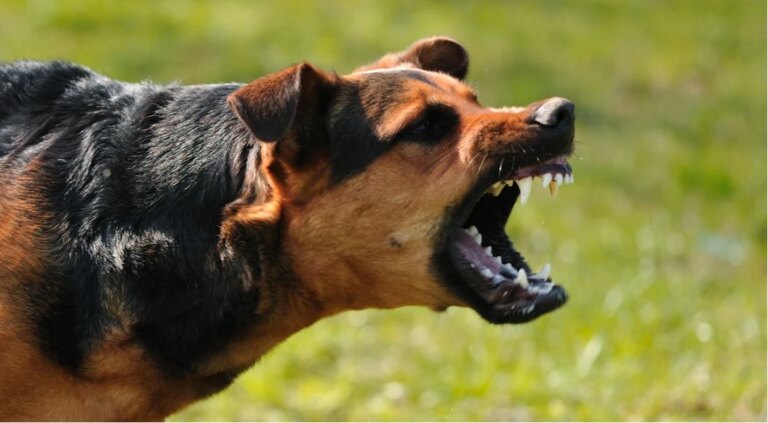
If your dog barks, lunges, growls, or completely shuts down when they see another dog or person, you’re not alone.
Reactivity is one of the most common behaviour concerns we see across Sydney — especially in busy suburbs, apartment complexes, and high-traffic walking areas.
And despite what you may have heard, reactivity isn’t about dominance or disobedience.
It’s usually about overwhelm and emotional regulation.
What Is Dog Reactivity?
Reactivity is an exaggerated response to a trigger.
Common triggers include:
- Other dogs
- Strangers
- Runners or cyclists
- Cars
- Sudden noises
- Wildlife
Some dogs react out of fear.
Some react out of frustration.
Others are simply over-aroused and don’t yet have the skills to cope.
In many cases, the behaviour develops because the dog repeatedly practises reacting — and the habit strengthens over time.
Why Reactivity Is So Common in Sydney
Sydney dogs are exposed to constant stimulation:
- Narrow footpaths
- Crowded parks
- Café culture
- Apartment hallways and elevators
- Dogs appearing unexpectedly around corners
Without structured training, these environments can quickly create stress patterns.
That’s why professional reactive dog training in Sydney focuses on giving dogs the skills to handle real-life situations — not just stopping the barking.
What Doesn’t Fix Reactivity
Owners are often advised to:
- “Correct it firmly”
- Use stronger equipment
- Avoid triggers completely
- Wait for the dog to “grow out of it”
While these approaches might suppress behaviour temporarily, they don’t address the emotional response driving it.
Long-term improvement comes from changing how the dog feels, not just how they behave.
What Effective Reactivity Training Looks Like
Successful reactivity training is structured and gradual.
It includes:
Working Under Threshold
Keeping enough distance so your dog can see a trigger without exploding.
Building Engagement
Teaching your dog to check in with you automatically.
Pattern Games & Predictability
Helping your dog feel secure and confident around triggers.
Gradual Exposure
Increasing difficulty slowly, without overwhelming your dog.
This approach builds emotional resilience rather than avoidance.
The Goal Is Calm, Not Silence
We don’t aim to simply stop barking.
We aim to:
- Lower overall arousal
- Improve impulse control
- Increase focus
- Build confidence
- Strengthen your communication
When a dog feels more stable, the reactive behaviour naturally reduces.
Our Reactive Dog Training in Sydney
Our structured reactivity program is designed for real-life Sydney environments.
We focus on:
- Desensitisation walks
- Lead handling skills
- Threshold awareness
- Controlled training setups
- Clear, step-by-step progressions
Sessions are calm, supportive, and tailored to your dog’s triggers and temperament.
Whether your dog reacts to other dogs, people, or movement, we create a plan that fits your lifestyle and environment.
It’s Not Too Late
Reactivity can improve at any age.
The key is:
- Consistency
- Structure
- Understanding thresholds
- Avoiding overwhelm
- Building alternative behaviours
Many owners feel isolated or embarrassed about their dog’s behaviour. The reality? Reactivity is common — and manageable with the right guidance.
Ready to Work on Reactivity?
If you’re searching for:
- Reactive dog training Sydney
- Leash reactivity help
- Positive dog behaviour training Sydney
- Help with barking and lunging
We’re here to help.
Training isn’t about controlling your dog — it’s about helping them feel safe enough to make better choices.
👉 Learn more about our Reactive Dog Training program here!